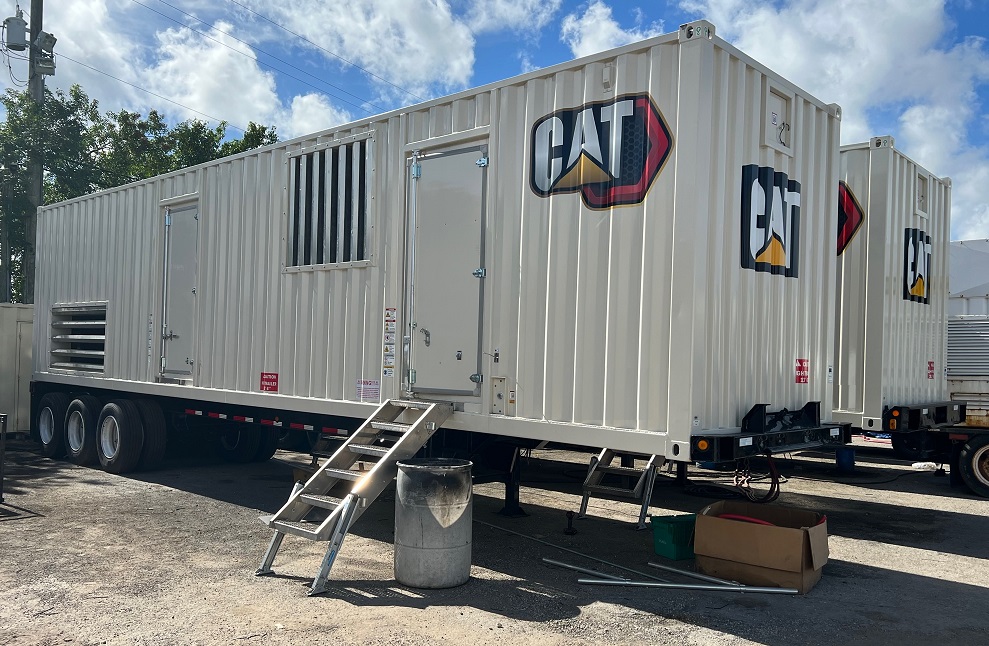
Generator Decommissioning: The First Critical Step
Decommissioning is often the most overlooked but most important phase of generator logistics. Before a generator can be moved, it must be properly taken out of service. This includes safely shutting down the unit, isolating fuel and electrical connections, and preparing the equipment for removal.
Generator Country works with experienced professionals to ensure decommissioning is performed correctly and in alignment with site requirements. Proper decommissioning reduces safety risks, prevents damage to surrounding systems, and preserves the value of the generator asset.
This process is especially important during facility upgrades, tenant changes, consolidations, or site closures, where timing and coordination are critical.
Why Generator Logistics Require Specialized Expertise
Once decommissioned, generators must be handled with precision. Unlike standard freight, generator logistics involve heavy loads, sensitive components, and often restricted access points. Improper handling can result in costly damage, safety incidents, or operational delays.
Generator Country partners with trusted rigging and transport professionals who understand the unique challenges of moving generator equipment. From planning access routes to selecting appropriate lifting methods, every detail is addressed before removal begins.
Trusted Generator Removal and Site Coordination
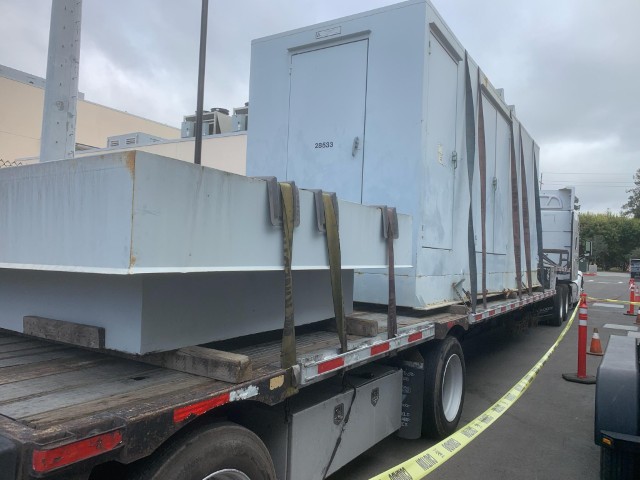
Generator removal is frequently performed in active facilities, where safety and continuity are priorities. Our team coordinates closely with facility managers, electricians, contractors, and operations staff to ensure removal activities align with site schedules and safety protocols.
Considerations such as ceiling height, door clearances, floor load limits, and proximity to critical systems are evaluated in advance. When required, cranes, forklifts, or specialized rigging equipment are arranged to safely extract generators from mechanical rooms, rooftops, or enclosed spaces.
Transport Solutions for All Generator Sizes
Generator Country manages logistics for a wide range of generator sizes and configurations. Smaller commercial generators may be transported using standard flatbed or enclosed trailers, while large industrial units require heavy-haul transport and specialized securement.
Each transport plan is developed based on generator weight, dimensions, center of gravity, and destination requirements. Proper blocking, bracing, and tie-down methods are used to prevent movement during transit and protect internal components.
Secure Loading and Handling Practices
Loading is one of the most critical phases of generator transport. Incorrect lifting points or uneven load distribution can place stress on frames, engines, or alternators. Generator Country ensures generators are lifted and positioned according to manufacturer guidelines and industry best practices.
This careful handling helps preserve asset condition, especially for generators being resold, refurbished, or redeployed at another facility.
Nationwide Transport and Delivery Coordination
Generator Country coordinates generator transport regionally and nationwide. Whether equipment is moving to a storage yard, refurbishment facility, or end-user site, delivery schedules are aligned with operational timelines.
We manage routing, carrier coordination, and scheduling to reduce delays and ensure predictable delivery windows. For buyers, this means faster access to power equipment. For sellers, it means confidence that generators will be removed and transported as agreed.
Logistics for Generator Sales and Asset Transitions
Logistics are a core component of generator transactions. When Generator Country purchases a used or surplus generator, decommissioning, removal, and transport are integrated into the overall process. Sellers benefit from a single point of coordination rather than managing multiple vendors.
For buyers, efficient logistics ensure pre-owned generators arrive on time and in expected condition, supporting emergency power needs, expansions, or project deadlines.
Compliance, Safety, and Risk Management
Generator decommissioning and transport involve safety considerations and regulatory compliance. Generator Country works with experienced partners who follow applicable standards for heavy equipment handling, load securement, and site safety.
By managing logistics through qualified professionals, we help reduce liability exposure and operational risk while maintaining clear documentation and communication throughout the process.
A Trusted Partner for Generator Decommissioning and Transport
Trust is essential when decommissioning and moving high-value power equipment. Generator Country has built a reputation for dependable execution, clear communication, and professional handling of generator assets.
By combining technical expertise with trusted logistics partners, we provide a seamless solution for generator decommissioning, transport, and asset transitions at any scale.
Simplify Generator Removal with Confidence
Generator decommissioning and transport need not be disruptive or uncertain. With Generator Country managing the process, you gain a trusted partner focused on safety, efficiency, and asset protection.
If you need professional decommissioning, logistics, or transport for commercial or industrial generators, contact Generator Country today and let our experienced team handle every step with precision and care.